
Seasonal changes can significantly impact a vehicle’s performance and safety. Preparing a vehicle for these transitions requires attention to several key aspects. A thorough inspection and routine maintenance can ensure that a vehicle operates efficiently and reduces the risk of unexpected issues.
As temperatures fluctuate, the condition of tires, brakes, and fluids should be carefully evaluated. Regularly checking tire pressure and tread, as well as topping off essential fluids, can enhance safety and performance. It’s also wise to consider seasonal gear, such as snow tires in winter or windshield wipers for rainy months.
Taking proactive steps now can save drivers time and money down the road. By understanding how to prep a vehicle for seasonal changes, he or she can enjoy a smoother and safer driving experience throughout the year.
Essential Preparations for Seasonal Changes
Preparing a vehicle for seasonal changes is crucial for ensuring safety and efficiency. This involves several key tasks, including changing tires, checking important fluid levels, and maintaining essential components.
Inspect and Replace Winter Tires
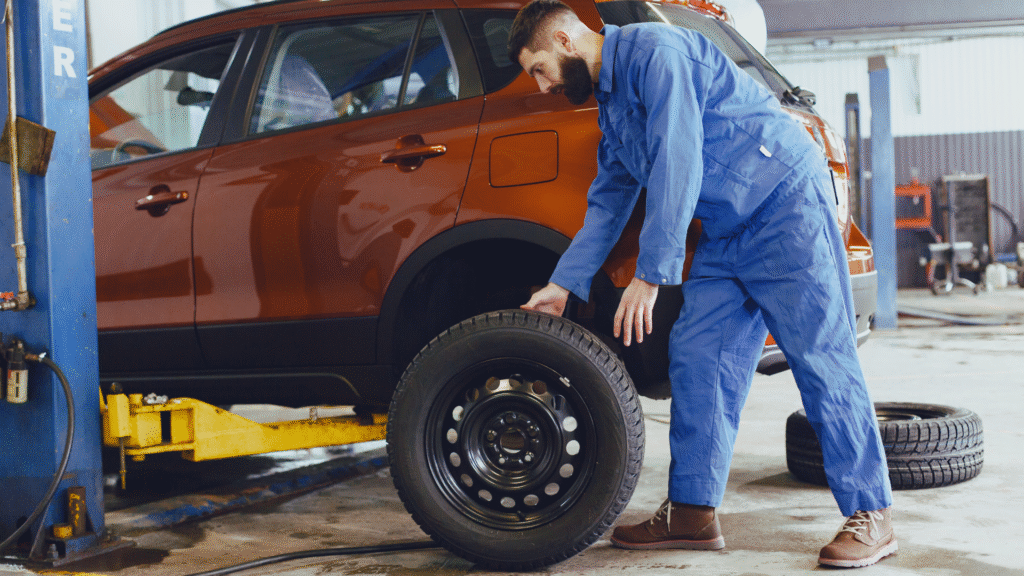
Winter tires provide better traction in cold conditions. When transitioning to winter, inspect the tread depth and look for signs of wear. A minimum tread depth of 6/32 inches is recommended.
If the tires are below this threshold, they should be replaced. Install winter tires as temperatures consistently drop below 45°F (7°C). This ensures optimal performance.
Check for proper tire inflation. Under-inflation can lead to poor handling and increased wear. A pressure of 30-35 PSI is typically sufficient, but it’s best to consult the vehicle’s owner’s manual for specifics.
Check and Maintain Antifreeze Levels
Antifreeze, or coolant, is essential for regulating engine temperature. Regularly checking antifreeze levels can prevent overheating and engine damage.
To check the levels, locate the coolant reservoir. It usually has markings indicating the minimum and maximum levels. If the coolant is low, top it off with a 50/50 mix of antifreeze and water.
It’s advisable to flush the cooling system every two years. This helps remove any deposits that could hinder performance. Proper antifreeze levels also protect against freezing during cold months.
Monitor, Check, and Rotate Tire Pressure
Maintaining proper tire pressure is vital for vehicle safety and fuel efficiency. Low tire pressure can lead to poor handling and increased tread wear.
Drivers should check tire pressure at least once a month and before long trips. A digital tire gauge can provide precise readings. If the pressure is too low, inflate the tires to the recommended PSI listed on the driver-side door jamb.
Regularly rotating tires helps ensure even wear. Rotate tires every 5,000 to 7,500 miles. This practice extends tire life and promotes better traction, especially in varying seasonal conditions.
Examine and Replace Wiper Blades
Wiper blades are crucial for maintaining visibility during rain and snow. Inspect blades at least every six months for cracks or wear.
If the rubber is deteriorating, replace the blades. Standard wiper blades last about six to twelve months, depending on use and conditions.
Use high-quality blades that match the vehicle’s specifications. During winter, consider using winter wiper blades for improved performance in heavy snow or ice. Regular maintenance of wiper blades enhances driving safety during inclement weather.
Fluid and System Maintenance Throughout the Year
Maintaining vehicle fluids and systems is crucial for optimal performance. Regular checks ensure safety and reliability, especially as seasons change.
Windshield Washer Fluid Refill
Windshield washer fluid is essential for clear visibility during adverse weather. Regularly check the fluid level and top it off as needed.
- Types of Fluid: There are various options available, including concentrated and pre-diluted formulations. Choose a product suitable for your climate.
- Seasonal Considerations: In winter, consider using a winter formula to prevent freezing. In summer, a solution with bug-cleansing properties can be beneficial.
Owners should examine the washer fluid reservoir at least once a month and refill it before any long trips.
Schedule Regular Oil Changes
Regular oil changes are vital for engine longevity. Over time, oil becomes contaminated, leading to engine wear.
- Change Frequency: Typically, an oil change is recommended every 3,000 to 7,500 miles, depending on the vehicle and oil type.
- Oil Types: Synthetic oil offers longer intervals between changes compared to conventional oil, providing better protection under extreme conditions.
It’s also wise to check the oil level monthly to ensure the engine is adequately lubricated.
Inspect Brakes and Suspension
Brakes and suspension systems directly affect vehicle safety and handling. Routine inspections can prevent costly repairs and accidents.
- Brake Check: Inspect brake pads and rotors for wear. Listen for any unusual noises while braking.
- Suspension Review: Examine shocks and struts for leaks or damage. A properly functioning suspension enhances vehicle stability.
It’s advisable to schedule comprehensive inspections every six months or after significant mileage. Regular maintenance of these systems ensures safe driving under varying seasonal conditions.
Protecting Your Vehicle Against Environmental Conditions
Taking proactive measures to shield a vehicle from environmental factors is essential in maintaining its longevity and performance. This involves using protective accessories and preparing for emergencies tied to seasonal changes.
Using a Car Cover for Exterior Protection
A car cover serves as a primary defense against harsh weather conditions. For instance, it shields against UV rays, rain, snow, and falling debris. A high-quality, breathable cover protects the paint while minimizing moisture buildup underneath.
When selecting a cover, consider materials that provide adequate insulation and weather resistance. Custom-fit options offer the best protection, closely hugging the vehicle to prevent dirt ingress. Regularly cleaning the cover ensures that it does not scratch the vehicle’s surface.
Using a car cover in different seasons adapts protection accordingly. For instance, a thicker cover may be needed in winter, while a lighter, UV-resistant cover is optimal for summer use. This proactive approach prolongs paint life and overall vehicle aesthetics.
Preparing Emergency Kits and Seasonal Accessories
A well-stocked emergency kit is crucial for seasonal preparedness. Essential items include jumper cables, a flashlight, basic tools, and first aid supplies. Adding seasonal items, such as ice scrapers in winter or towels for summer spills, increases readiness.
In addition to the emergency kit, consider storing seasonal accessories like tire chains or traction mats for winter travel. Proper tire maintenance, including checking tread and pressure, enhances safety during adverse conditions.
Regularly updating the emergency kit ensures that all items remain functional and relevant. This practice equips the vehicle owner to handle unexpected situations effectively, reducing stress and maintaining safety on the road.