
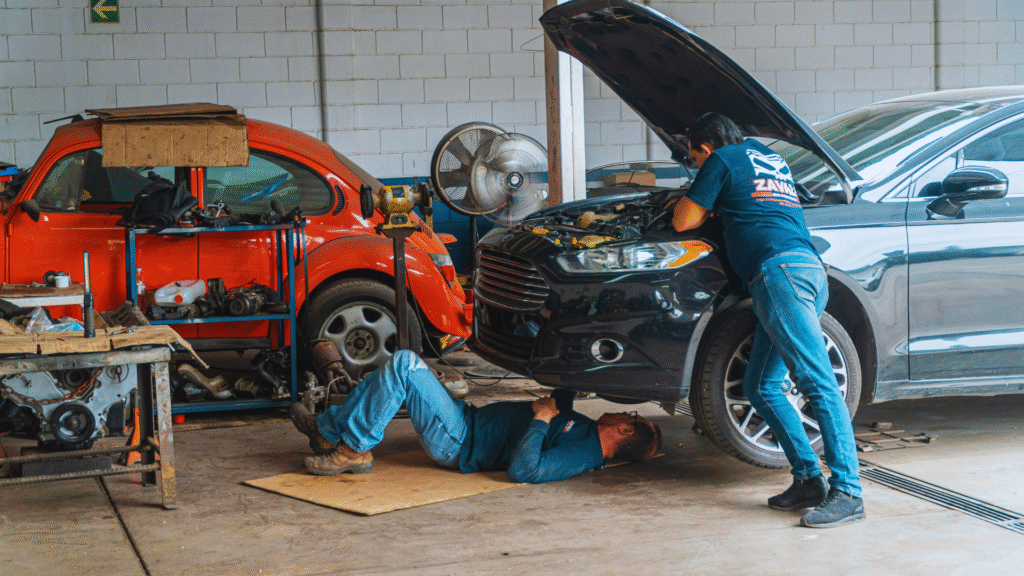
Owning a vehicle necessitates regular maintenance to ensure safety and reliability. Knowing when and how to prioritize these tasks can save both time and money. Understanding how to assess the most critical maintenance needs without overspending is key to vehicle ownership.
Many car owners face the dilemma of managing their budgets while ensuring their vehicles remain in good condition. Simple strategies, such as adhering to a maintenance schedule and addressing priorities based on mileage and performance, can make a significant difference. Regular inspections can prevent costly repairs down the road.
By focusing on essential services and recognizing the signs that indicate when something needs attention, car owners can stay ahead of potential issues. Prioritizing maintenance doesn’t have to break the bank; it requires a strategic approach and awareness of what truly matters for vehicle longevity.
How to Identify and Prioritize Essential Car Maintenance
Understanding how to identify and prioritize essential maintenance tasks helps vehicle owners keep their cars running efficiently without unnecessary expenses. This involves following the manufacturer’s maintenance schedule, recognizing critical tasks, and being aware of warning signs.
Following the Vehicle Maintenance Schedule
Adhering to the vehicle maintenance schedule is crucial for ensuring long-term reliability. Each manufacturer provides a detailed plan that outlines when to perform routine maintenance tasks such as oil changes, tire rotations, and brake inspections.
- Oil Changes: Usually recommended every 5,000 to 7,500 miles.
- Tire Rotations: Typically every 6,000 to 8,000 miles.
- Fluid Checks: Ensure coolant, transmission fluid, and brake fluid are at appropriate levels.
By following this schedule, one can prevent major issues that lead to costly repairs. Vehicle owners should consult the owner’s manual for specific recommendations tailored to their car.
Recognizing Critical Maintenance Tasks
Certain maintenance tasks are critical for vehicle safety and performance. Recognizing these tasks can help avoid costly breakdowns.
- Brake Inspections: Critical for safety, should be done regularly.
- Battery Maintenance: Check for corrosion and ensure battery terminals are clean.
- Tire Condition: Monitor tread depth and check for uneven wear.
Ignoring these tasks can lead to dangerous situations and expensive repairs. Prioritize addressing them immediately for improved vehicle performance and safety.
Understanding Warning Signs and Dashboard Alerts
Vehicle owners need to pay attention to warning signs and dashboard alerts. Ignoring these can lead to serious problems.
- Check Engine Light: This indicator can signal various issues, from minor to serious.
- Unusual Noises: Grinding or squeaking can indicate brake issues.
- Fluid Leaks: Dark spots under the vehicle may signal oil or transmission fluid leaks.
Addressing these warnings promptly can help prevent further damage and higher costs. Regular checks and immediate attention to warning signs are essential for effective vehicle maintenance.
Smart Strategies to Maximize Your Maintenance Budget
Effective car maintenance requires strategic planning to prevent overspending while ensuring the vehicle remains in optimal condition. Implementing smart strategies can help car owners allocate their budget efficiently and address maintenance needs appropriately.
Prioritizing High-Impact Maintenance
Identifying high-impact maintenance tasks is crucial. Focus on repairs that can prevent more significant issues down the road. Regular oil changes, brake inspections, and tire rotations prevent wear and tear and enhance vehicle safety.
Use a simple priority list for these tasks. For instance, rank them based on their importance and urgency:
- Safety-related repairs (brakes, headlights)
- Performance maintenance (oil, fluids)
- Wear-and-tear replacements (tires, batteries)
Regularly assess the vehicle’s condition to catch potential problems early, thus saving money on major repairs later.
Creating and Sticking to a Budget
Establishing a definitive budget for car maintenance helps avoid unexpected expenses. Start by calculating the annual maintenance cost based on past expenses.
- Estimate monthly maintenance costs.
- Create a separate maintenance fund.
- Track expenses against this budget.
Automate reminders for routine maintenance tasks. For example, set alerts for oil changes or seasonal inspections. This ensures that necessary services adhere to the budget without overlooking vital maintenance.
When to DIY and When to Hire a Professional
Car owners can save money by handling simple repairs themselves, such as changing wiper blades or replacing air filters. DIY repairs are less costly and often rewarding.
However, for complex repairs like engine issues or electrical problems, hiring a qualified professional is essential.
Evaluating the following can guide the decision:
- Skill level: Can the owner perform the task competently?
- Cost of tools: Will buying equipment exceed the expense of hiring a mechanic?
- Time investment: Is the time required for DIY worth the savings?
Balancing DIY and professional services optimizes maintenance budgets effectively.
Key Areas to Maintain Without Overspending
Prioritizing essential maintenance can save on costs while ensuring a vehicle remains safe and efficient. Focusing on specific areas can help owners manage their budget effectively without sacrificing quality.
Engine and Oil Changes
Regular oil changes are crucial for engine health. Mechanics recommend changing oil every 3,000 to 5,000 miles, depending on the vehicle and oil type. Using premium oil may increase initial costs but can extend engine life.
Maintaining proper fluid levels is also vital. Checking other fluids, like transmission fluid, coolant, and brake fluid, can prevent costly repairs later. Neglecting these checks can lead to major issues down the line.
Tire Care and Rotations
Tire maintenance greatly influences safety and fuel efficiency. Owners should regularly check tire pressure, maintaining it at manufacturer-recommended levels. Under-inflated tires can lead to reduced mileage and faster wear.
Tire rotations should occur approximately every 5,000 to 7,500 miles to ensure even wear. This simple service can extend the lifespan of tires and delay the need for costly replacements.
Brake System Maintenance
The brake system is critical for vehicle safety. Paying attention to wear on brake pads can help avoid costly rotor replacements. Inspecting pads regularly helps identify when they need changing, typically around every 30,000 miles.
Checking brake fluid levels should happen during routine maintenance. Low brake fluid can lead to decreased performance. Keeping the brake system in top condition is essential for safe driving, and addressing issues early can save money in the long run.
Simple Maintenance Tasks That Save Money
Regular maintenance can prevent costly repairs and enhance vehicle longevity. By performing straightforward tasks, one can keep expenditures in check while ensuring the vehicle operates smoothly.
Replacing Windshield Wipers and Air Filters
Windshield wipers should be replaced every six to twelve months, especially if visibility becomes compromised. New wipers enhance safety by clearing rain, snow, and debris effectively. It’s a simple job that can be done at home, saving money on service fees.
Air filters, especially engine and cabin filters, also require regular replacement. A clean engine air filter improves fuel efficiency, while a fresh cabin filter ensures better air quality. Changing air filters every 15,000 to 30,000 miles can make a significant difference in performance and comfort.
Monitoring Fluid Levels Regularly
Regularly checking fluid levels—engine oil, coolant, brake fluid, and transmission fluid—can prevent major issues. Low fluid levels may lead to overheating, erratic braking, or transmission problems.
Checking these levels monthly will allow timely top-offs, which is significantly cheaper than full repairs. Owners should ensure that fluids are topped off to the manufacturer’s recommended levels to maintain optimal vehicle performance.
Extending Component Lifespans with Routine Checks
Routine checks of key components like tires, brakes, and belts can identify potential issues early. Inspecting tire pressure monthly can improve fuel efficiency and extend tire life.
Brakes should be checked for wear every few months, as replacing pads early can prevent damage to rotors. Regular inspections of belts and hoses prevent unexpected failures, saving costs down the road. Implementing these checks as part of a regular routine can substantially prolong the lifespan and reliability of the vehicle.