
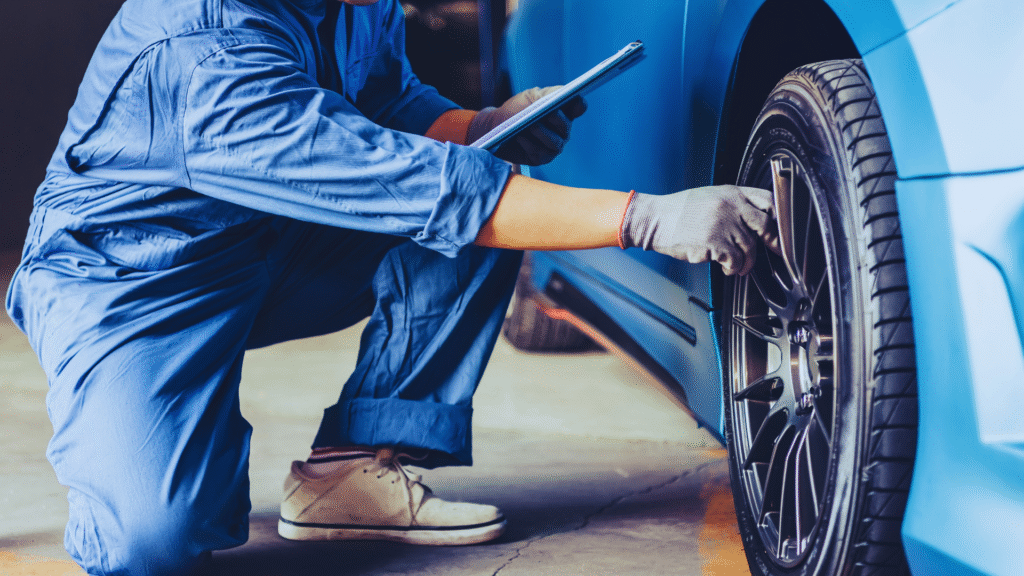
Regular car maintenance is essential for ensuring a vehicle performs at its best and lasts longer. Routine checks of oil levels, tire pressure, and brake performance can prevent costly repairs down the line. By incorporating these simple maintenance tips into a car owner’s routine, they can keep their vehicle in top shape.
Ignoring basic maintenance can lead to significant issues that affect both safety and efficiency. Staying proactive about vehicle maintenance not only enhances performance but also improves fuel economy. A well-maintained car is more reliable and can contribute to a better driving experience.
Every owner should be familiar with key maintenance practices, such as changing the oil regularly and replacing air filters. Simple tasks like checking fluid levels and inspecting tire tread can make a noticeable difference. Staying informed and diligent about car care will ultimately save money and ensure peace of mind on the road.
Routine Engine Care and Scheduled Maintenance
Proper engine care and adherence to a maintenance schedule are essential for vehicle longevity. Regular checks and timely service can prevent issues and ensure optimal performance.
Understanding and Following a Maintenance Schedule
A maintenance schedule outlines specific service intervals for various components. This document typically includes recommendations for oil changes, filter replacements, and inspections based on mileage or time.
Drivers should consult their owner’s manual to know the exact intervals for their vehicle. Many modern vehicles also provide alerts on the dashboard when maintenance is due.
By adhering to this schedule, drivers can catch potential problems early and avoid costly repairs.
Regular Oil Changes and Engine Oil Checks
Engine oil plays a crucial role in lubrication and cooling. Regular oil changes are necessary to remove dirt and sludge that can accumulate over time.
It is advisable to check the oil level every month and before long trips. The owner’s manual usually specifies the type of oil to use.
Oil change intervals may vary; many manufacturers recommend changes every 5,000 to 7,500 miles. Neglecting these changes can lead to engine wear and decreased efficiency.
Improving Engine Performance and Monitoring the Check Engine Light
Improving engine performance can often be achieved through routine checks. Monitoring the dashboard’s check engine light is vital. If illuminated, it can signal issues ranging from minor to serious.
Drivers should have any engine light warnings diagnosed promptly. Ignoring this warning can lead to more significant problems and potentially expensive repairs.
Regular inspection of spark plugs, air filters, and fuel injectors can enhance performance. Keeping these components in good working order is key to maintaining engine efficiency.
Essential Tire and Brake Checks
Regular tire and brake checks are crucial for vehicle safety and performance. Maintaining proper tire pressure and scheduling tire rotations can help maximize tire life. Preparing for winter conditions by using appropriate tires also plays a significant role in driving safely.
Measuring and Maintaining Proper Tire Pressure
Tire pressure directly affects vehicle handling and fuel efficiency. Drivers should check the pressure at least once a month. The recommended pressure for each vehicle can be found on the driver’s door jamb or in the owner’s manual.
Using a precision tire gauge will ensure accurate readings. If the pressure is too low, this can lead to increased tire wear and reduced fuel economy. Conversely, over-inflation can lead to a harsh ride and loss of traction.
Key points to remember:
- Check the pressure when the tires are cold.
- Adjust according to manufacturer guidelines.
Maintaining tire pressure also enhances safety by reducing blowout risks. Regular checks promote optimal contact with the road, improving braking performance.
Tire Rotation and Winter Tire Preparation
Tire rotation involves moving tires from one position to another to ensure even wear. It is recommended for every 5,000 to 7,500 miles. Following a consistent rotation pattern helps balance wear across all tires.
Common rotation patterns:
- Front-to-back
- Cross-rotation
- Side-to-side
Preparing for winter involves switching to winter tires, which provide better traction on snow and ice. Winter tires are designed to remain flexible in low temperatures, improving grip.
Drivers should inspect tires for signs of wear before winter. Checking tread depth is essential; a depth of 4/32 inches is the minimum for winter conditions. Proper winter tire preparation can significantly enhance vehicle safety during harsh weather.
Critical Brake and Fluid Inspections
Proper brake and fluid maintenance is essential for vehicle safety and performance. Regular inspections can prevent costly repairs and ensure reliable operation.
Brake Pads and Brake Inspection
Brake pads play a crucial role in vehicle safety. They should be checked regularly, typically at least every 10,000 to 15,000 miles.
Signs of wear include:
- Squeaking or grinding noises
- Vibrations during braking
- A brake warning light on the dashboard
Replacing pads before they are fully worn can enhance braking efficiency and avoid damage to rotors. During inspections, mechanics should also check the thickness of the pads and the condition of the rotors, as uneven wear may indicate deeper issues.
Maintaining a precise maintenance schedule for brake inspections can ensure maximum safety on the road.
Checking Brake Fluid, Antifreeze, and Other Fluids
Brake fluid quality is critical for effective braking. It’s hygroscopic, meaning it absorbs moisture, which can lead to reduced performance.
Check the brake fluid level regularly, ensuring it remains between the “min” and “max” marks. If it’s dark or contaminated, it should be replaced immediately.
Antifreeze, or coolant, is another key fluid. It prevents engine overheating and protects against corrosion.
Drivers should inspect coolant levels and the condition of hoses and clamps. Replacing fluids as needed is vital for vehicle longevity.
Other fluids, like transmission fluid and power steering fluid, should also be monitored periodically. Keeping all fluids at optimal levels contributes to smoother vehicle operation.
Enhancing Safety, Visibility, and Cleanliness
Maintaining vehicle safety and visibility plays a crucial role in ensuring a positive driving experience. Drivers should focus on key components like headlights, turn signals, and windshield cleanliness. These elements contribute significantly to safe driving conditions.
Headlight and Turn Signal Functionality
Headlights are essential for visibility during low-light conditions, while turn signals communicate a driver’s intent to others on the road. It is important for drivers to regularly check that both headlights and turn signals are working properly.
To maintain optimal functionality, inspect headlights and bulbs at least once a month. Replace any burned-out bulbs immediately to avoid reduced visibility. Furthermore, cleaning the headlight lenses ensures maximum brightness.
Drivers should also verify that turn signals flash consistently and brightly. If a turn signal is malfunctioning, it can lead to dangerous miscommunication with other drivers.
Windshield Wiper Fluid and Cleanliness
Windshield wipers are critical for maintaining clear visibility, especially during rain or snow. Ensuring that the wiper blades are in good condition is vital. Inspect them for fraying or wear and replace them if they leave streaks or skip across the windshield.
Ideal windshield wiper fluid levels should be checked regularly. Using a quality fluid aids in removing dirt, debris, and grime. If the fluid reservoir is low, it can hinder visibility and compromise safety during adverse weather conditions.
Additionally, the windshield itself should be kept clean. Regular washing prevents build-up that can obscure vision. A clear windshield and functional wipers enhance the overall safety of the driving experience.