
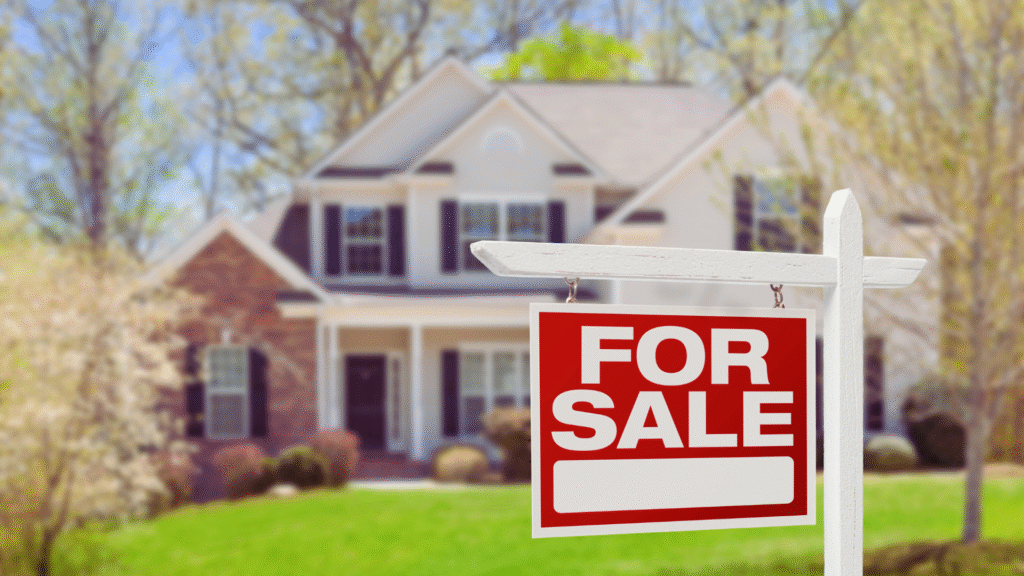
Investing in an up-and-coming neighborhood offers numerous advantages for potential homeowners and investors alike. Buying in these areas often leads to increased property values, providing a solid return on investment as the neighborhood develops. These neighborhoods frequently benefit from revitalization efforts, improved amenities, and growing interest from new businesses and residents.
The appeal of an up-and-coming neighborhood extends beyond financial gain. Many of these areas feature unique charm, diverse communities, and a vibrant atmosphere that can enhance the quality of life for their residents. Engaging with the local culture and participating in community events fosters a sense of belonging that is often missed in more established locations.
As development progresses, infrastructure improvements typically follow, making these neighborhoods increasingly attractive. Residents can enjoy the perks of modern amenities while experiencing the growth and evolution of their community, making it a prime time to consider a purchase in these dynamic areas.
Key Advantages of Buying in an Up-and-Coming Neighborhood
Purchasing property in an up-and-coming neighborhood offers distinct advantages that cater to home buyers and investors. These areas often present affordability, the potential for increasing property values, and vibrant community dynamics.
Affordability and Entry Opportunities
Up-and-coming neighborhoods typically have lower housing prices compared to more established areas. This affordability opens the door for first-time home buyers and investors to enter the market without a significant financial burden.
As property values rise over time, buying in these neighborhoods can become a strategic choice.
For example, homes priced at $200,000 in a transitional neighborhood may see appreciation as interest from buyers increases. Many investors also seek rental properties in these areas, benefiting from lower acquisition costs and growing tenant demand.
Potential for Strong Return on Investment
Investing in transitional neighborhoods can yield substantial returns. As revitalization projects and new developments emerge, property values often appreciate significantly.
Home buyers and investors may expect a return on investment (ROI) as the area becomes more desirable.
For instance, a property purchased at a lower price may appreciate by 20-30% in just a few years due to neighborhood improvements, increasing demand, and enhanced amenities.
This potential for growth attracts investors looking for smart investment opportunities and diversifying their real estate portfolios.
Vibrant Community and Growing Diversity
Up-and-coming neighborhoods tend to foster a diverse and vibrant community. As new residents move in, they bring fresh perspectives and ideas, enriching the local culture.
Community events, local businesses, and new amenities can create an engaging atmosphere that appeals to a wide range of residents.
This dynamism might lead to enhanced social networks and increased community involvement.
Home buyers who value community connections may find these neighborhoods particularly appealing. Furthermore, growing diversity can drive demand for varied housing options, which contributes positively to local real estate markets.
Emerging Amenities and Lifestyle Enhancements
Emerging neighborhoods often feature a range of new amenities and lifestyle enhancements that improve the quality of life for residents. These developments include local business growth, the establishment of parks and green spaces, and upgrades in public transportation and infrastructure.
New Businesses and Local Economy Growth
As neighborhoods evolve, new businesses frequently set up shop, enhancing local economies. Tech companies, start-ups, craft breweries, and fitness studios contribute to a vibrant atmosphere.
Residents benefit from increased access to goods and services. With local shops and co-working spaces, the area fosters a sense of community. These enterprises create jobs, reducing unemployment and increasing disposable income.
Investing in these neighborhoods supports entrepreneurial efforts and attracts more businesses. As new ventures establish themselves, they provide a variety of amenities tailored to residents’ needs.
Expanding Parks and Green Spaces
Green spaces play a crucial role in improving neighborhood appeal and quality of life. Expanding parks offers residents recreational areas for activities like walking, jogging, and picnicking.
Communities benefit from increased green space as it enhances aesthetic appeal and promotes outdoor engagement. Parks often include features such as playgrounds and fitness zones, catering to families and fitness enthusiasts alike.
These areas serve as hubs for community events and social interaction, creating a more connected neighborhood. Additionally, proximity to parks can increase property values, benefiting homeowners and investors alike.
Developing Public Transportation and Infrastructure
Enhanced public transportation systems significantly impact emerging neighborhoods. Efficient services, including bus routes and bike lanes, promote accessibility and convenience for residents.
Improvements to infrastructure ensure that neighborhoods stay connected to urban centers. Reliable public transit attracts a diverse population, increasing demand for housing and services.
Infrastructure development often includes upgraded roads and bike lanes, supporting alternative modes of transportation. This focus on transit helps reduce traffic congestion, making for a more pleasant commuting experience.
Overall, advancements in transportation contribute to the overall functionality and attractiveness of up-and-coming neighborhoods.
Market Considerations and Investment Strategies
Understanding the dynamics of an up-and-coming neighborhood involves recognizing growth indicators, timing the market wisely, and leveraging the expertise of real estate professionals. Each factor plays a crucial role in determining the potential for investment success.
Recognizing Neighborhood Growth Indicators
Identifying growth indicators is essential for investors looking to capitalize on emerging markets. Key signs include:
- Construction Projects: New developments signal increased demand. Watch for both residential and commercial projects.
- Transit Improvements: Enhancements to public transportation often lead to increased interest in an area.
- Demographics: A shift toward younger populations, particularly young creatives, can indicate an area’s growing appeal.
Effective investors conduct research on local zoning laws and upcoming infrastructure plans. Staying informed about these developments allows for better purchase timing and investment decisions.
Timing the Market for Maximum Value
Timing is crucial in real estate investment. Investors should focus on finding the right moment to buy:
- Market Trends: Monitor local market trends to anticipate price fluctuations. This requires both patience and vision.
- Seasonal Patterns: Certain times of year may offer better deals, such as during winter months when activity typically slows.
- Price Points: Keep an eye on varying price points within the neighborhood to identify when property values are likely to rise.
Strategically entering the market can maximize investment value. This often means being prepared to act quickly when favorable conditions arise.
Role of Real Estate Professionals
Engaging real estate professionals can provide a significant advantage in navigating an up-and-coming neighborhood.
- Local Expertise: Agents with in-depth knowledge of the area can help identify hidden gems and advise on property potential.
- Networking: Established professionals often have connections to developers and other key players in the market.
- Market Analysis: A good agent performs a thorough market analysis, ensuring the investor is making informed decisions based on current data.
Using the services of a knowledgeable real estate agent can streamline the buying process and enhance the chances of securing a profitable investment.
Long-Term Outlook and Community Impact
Investing in an up-and-coming neighborhood can yield significant long-term benefits that affect both property values and local communities. The following discussions focus on transformational change, the role of sustainable urban planning, and the challenges that arise in these evolving environments.
Transformational Change and Gentrification
Gentrification often accompanies the development of up-and-coming neighborhoods. This process can lead to improved infrastructure, increased property values, and enhanced amenities.
New businesses may emerge, boosting job opportunities. Increased investment in housing and public spaces often creates a more vibrant community atmosphere.
However, it can also displace long-time residents, leading to concerns about community identity and cultural heritage. Balancing development with the needs of existing residents is crucial.
Sustainability and Smart Urban Planning
Sustainable urban planning is essential for the long-term viability of these neighborhoods. This approach emphasizes efficient land use, environmental stewardship, and enhanced quality of life.
Prioritizing green spaces, public transit, and pedestrian-friendly areas fosters a healthier living environment. These elements contribute to an inviting community that attracts diverse populations.
Moreover, improved schools and educational resources can be a direct result of smart investments in the neighborhood. Strong schools enhance local property values, as families seek educational opportunities for their children.
Challenges to Consider
Despite the potential benefits, there are challenges associated with community transitions. Rapid development may strain existing infrastructure and services.
Basic amenities, such as public transportation and healthcare, need to evolve alongside the growing population. Failure to address these issues can lead to decreased quality of life.
Additionally, community resistance to change can create tension between newcomers and long-standing residents. Engaging in open dialogue helps mitigate conflicts and fosters a sense of inclusion.
Addressing these challenges requires careful planning and a commitment to maintaining community integrity as the neighborhood grows.