
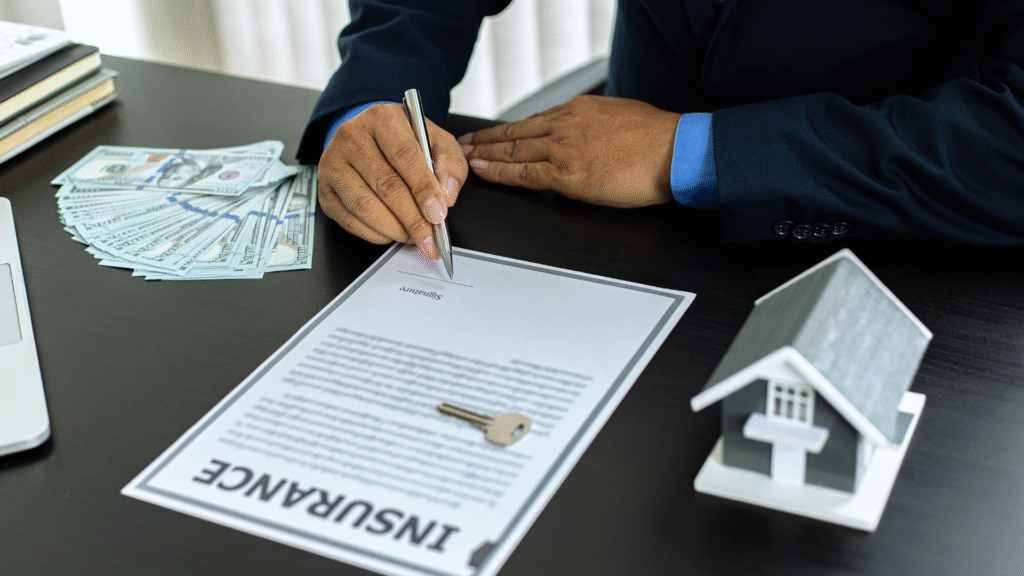
Owning property often comes with a list of expected expenses, such as mortgage payments and property taxes. Yet, the most overlooked costs of owning property can significantly impact a homeowner’s budget. Many individuals fail to account for maintenance fees, homeowner association dues, and the potential for unexpected repairs, which can add up over time.
Property ownership also includes ongoing expenses like insurance premiums and utilities, which can fluctuate seasonally. Additionally, homeowners might underestimate the costs associated with landscaping and general upkeep. It’s important for current or prospective owners to understand these hidden costs to create a realistic financial plan.
Being aware of these overlooked expenses ensures that homeowners are better prepared for the full scope of their investment. Misjudging property-related costs can lead to financial strain, making it critical for individuals to stay informed and proactive.
Fundamental and Overlooked Expenses of Owning Property
Owning property involves various costs that can often be overlooked. Understanding these expenses is essential for any potential property owner.
Private Mortgage Insurance and PMI
Private Mortgage Insurance (PMI) is often required when a buyer makes a down payment of less than 20% of the home’s price. PMI protects the lender, and it can add significantly to monthly mortgage payments. On average, PMI can cost between 0.3% and 1.5% of the original loan amount annually.
For example, on a $300,000 loan, PMI could range from $900 to $4,500 per year. This expense is often not considered when budgeting for homeownership, leading to potential cash flow issues. Buyers should seek to understand how PMI works and evaluate strategies to eliminate it by reaching the 20% equity threshold.
Closing Costs Beyond the Sale Price
Closing costs can be a significant financial burden, often ranging between 2% and 5% of the purchase price. This can include fees for services such as appraisal, title insurance, and loan processing. A $400,000 home could incur closing costs of $8,000 to $20,000.
When budgeting, buyers frequently focus solely on the home’s sale price and overlook these additional expenses. It’s important to request a breakdown of potential closing costs early in the buying process to prepare adequately and avoid surprises.
Property Taxes Impact
Property taxes can substantially impact the overall cost of ownership and vary widely by location. They are typically calculated as a percentage of the property’s assessed value. In areas where property values increase, these taxes can rise quickly.
For example, a home valued at $400,000 with a property tax rate of 1.25% would incur annual property taxes of $5,000. Buyers should research local tax rates and trends to understand long-term costs. Failing to account for these taxes may cause financial strain in future years.
Homeowners Insurance Factors
Homeowners insurance is another crucial yet often overlooked expense. It protects against risks like fire, theft, and liability. The average premium varies but can range from $1,000 to $2,000 annually, depending on coverage, location, and property characteristics.
Several factors, including proximity to natural disaster zones and the age of the home, influence insurance costs. Buyers should shop around for quotes and understand the coverage details to avoid underinsurance. Consulting platforms like Zillow may provide insights into different policies and premium costs.
Ongoing and Recurring Homeownership Costs
Owning a home involves various ongoing and recurring costs that can significantly impact a budget. Understanding these expenses is crucial for homeowners to manage finances effectively.
Mortgage Payments and Interest
Mortgage payments encompass both principal and interest. The principal is the amount borrowed, while interest is the cost of borrowing that money. Depending on the loan type and market conditions, interest rates can vary widely.
Homeowners typically face monthly mortgage payments that can include insurance and property taxes. These payments may change over time if the loan has an adjustable-rate mortgage (ARM). Staying aware of refinancing options can also benefit homeowners by potentially lowering interest rates.
HOA Dues and Fees
Homeowners Association (HOA) dues are common in planned communities. These fees can cover various services and amenities, such as landscaping, maintenance, and community facilities.
Fees typically range from a few hundred to several thousand dollars annually. It’s essential for prospective buyers to review HOA rules and fees before purchasing a home in such communities. Failing to pay dues can result in penalties or legal actions.
Home Maintenance and Repairs
Regular maintenance is a critical component of homeownership. Homeowners should budget for tasks like HVAC servicing, roof inspections, and plumbing checks.
Unexpected repairs, such as fixing leaks or addressing electrical issues, can also arise. Keeping a maintenance schedule not only preserves property value but also prevents more significant future expenses. A good rule of thumb is to set aside 1% to 3% of the home’s value annually for maintenance costs.
Utility and Service Bills
Utility bills can vary based on usage and the size of the home. Homeowners must consider expenses for electricity, water, gas, and waste removal.
Service contracts, such as lawn care or pest control, add to monthly costs. Implementing energy-efficient appliances and practices can help reduce utility expenses over time. Homeowners should regularly review their service plans for potential savings as well.
Hidden and Unexpected Ownership Costs
Owning property often comes with hidden and unexpected expenses that can strain finances. These costs may arise from maintenance needs, professional inspections, and landscaping efforts. Property owners should be aware of these factors to budget effectively.
Plumbing and Critical Systems
Plumbing issues are common yet often overlooked costs. Leaks, clogs, or aging pipes can lead to significant repair bills. For instance, the average cost to replace a water heater may range from $800 to $1,500, depending on the unit and installation complexity. Regular maintenance, such as drain cleaning or checking for leaks, can prevent costly emergencies.
Critical systems such as HVAC may also incur unexpected costs. Regular servicing is essential to ensure efficient operation. Repairing or replacing critical components can be financially burdensome, often exceeding several thousand dollars. Owners should allocate funds for routine inspections to minimize these risks.
Professional Home Inspection Needs
Many property owners underestimate the value of a thorough home inspection. A professional evaluation can uncover hidden issues such as structural concerns or pest infestations. The cost of hiring a home inspector typically ranges from $300 to $500, but this investment can save thousands in future repairs.
Notably, properties that are older may require specialized inspections for systems like electrical or plumbing. These inspections will often identify issues needing immediate attention. Owners should prioritize these evaluations, as addressing problems early can prevent escalation and higher costs.
Landscaping and Exterior Upkeep
Landscaping is another area where costs can add up unexpectedly. Regular maintenance, including mowing, pruning, and seasonal planting, is essential for curb appeal. Homeowners may pay from $50 to $150 per visit for professional services, depending on the yard’s size and complexity.
Additionally, exterior upkeep, such as roof maintenance or siding repairs, can lead to significant expenses. For instance, replacing damaged shingles or siding might range from $1,000 to $3,000. Budgeting for these regular maintenance tasks can prevent more extensive damage and higher costs down the road.
Additional Considerations and Budget Planning
Property ownership entails numerous costs beyond the purchase price. Understanding these financial commitments is essential for effective budgeting and planning.
Down Payment Requirements
Most lenders require a down payment when buying property. This amount can vary widely, typically ranging from 3% to 20% of the home’s purchase price.
For a $300,000 property, a 3% down payment would be $9,000, while a 20% down payment would amount to $60,000. Buyers should assess their financial situation to determine what they can afford and consider how this initial cost impacts their overall home budget.
Additionally, some lenders offer programs to help reduce down payment requirements for first-time buyers. However, lower down payments may come with higher ongoing expenses, such as private mortgage insurance (PMI).
Furnishing and Moving Expenses
Furnishing a new home involves significant costs that are often underestimated. Expenses include purchasing furniture, appliances, and other essentials.
A basic furnishing budget might look like this:
- Living room set: $1,000 – $3,000
- Bedroom furniture: $800 – $2,500
- Kitchen appliances: $500 – $2,000
Moreover, moving expenses can range from $500 to over $2,000, depending on distance and the size of the household.
It is crucial for homeowners to allocate sufficient funds for these expenses to avoid unexpected financial strain when settling into their new space. Planning for these costs will help create a comfortable and functional living environment.